


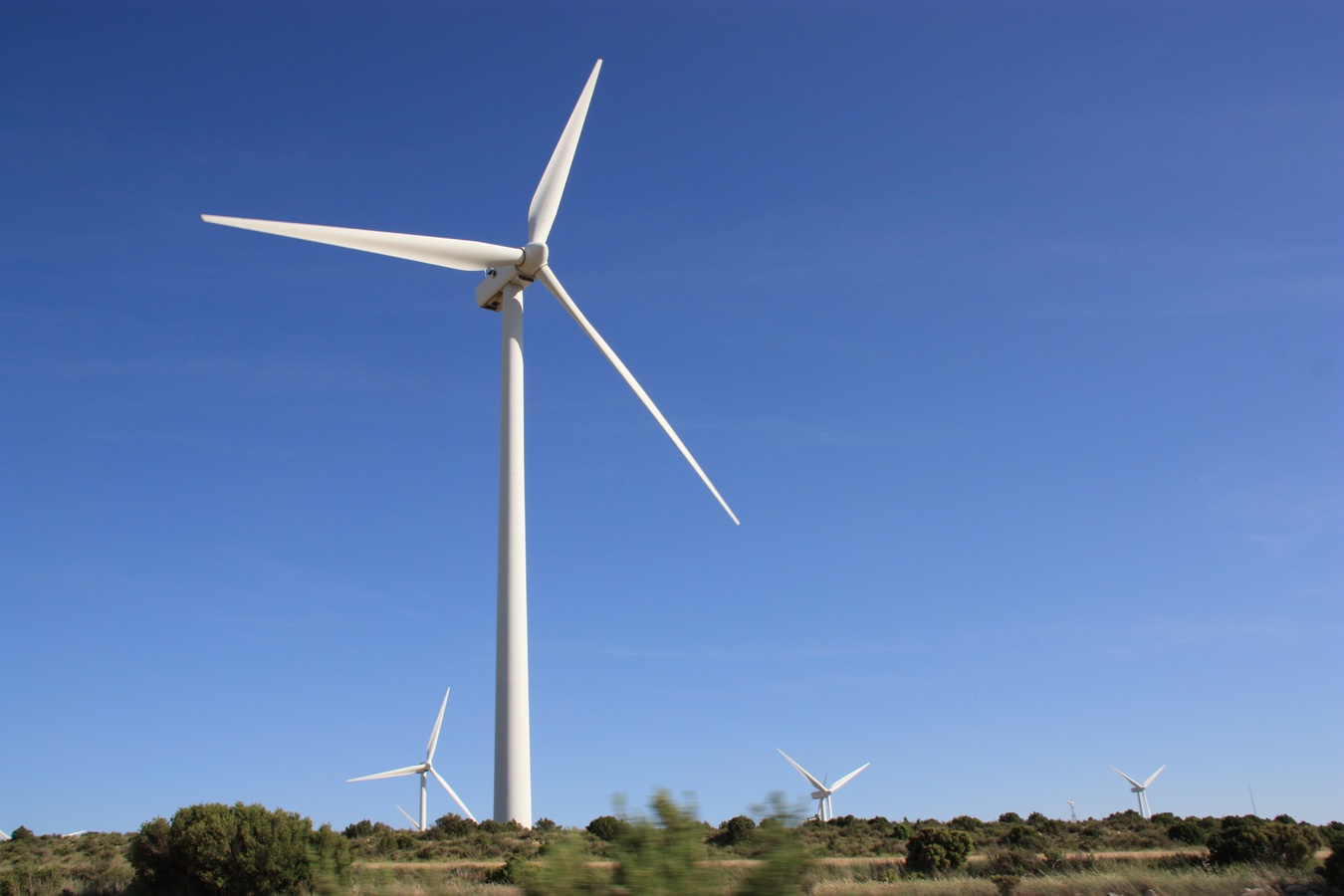
In July, Brazil broke 10 records in the production of energy from renewable sources in the Northeast region. The data are from the National Electric System Operator (ONS). There were four records for average wind generation and four for instantaneous generation, in addition to two records for solar energy production.
The Ministry of Mines and Energy highlighted the index registered on July 22, when, for the first time, the force of the winds generated energy capable of supplying 102% of the Northeast region for 24 hours. That day alone, more than 11,000 average megawatts of wind energy were produced.
The director of the Ministry’s Department of Information and Energy Studies, André Osório, stated that these two ways of generating energy are part of the country’s renewable energy matrix. According to him, these ways of producing without depleting the energy source are predominant and should remain so.
“The share of renewable [sources] in the electricity matrix should remain above 80% until 2030, reaching around 85% in 2050. Such results will be achieved, to a large extent, by the country’s use of its wind and solar potentials. and biomass,” said Osório.
This period that lasts until November is known as the harvest of the winds. According to the ONS, wind energy today represents 10.9% of the Brazilian electricity matrix and is expected to reach 13.6% by the end of 2025.
Solar energy represents 2% of the matrix, with expectations of reaching 2.9% by the end of this year. On July 30th, the new record of average solar generation was registered, with the accumulation of 682 average megawatts in just 24 hours. This amount corresponds to 5.8% of the demand in the Northeast Region.
The director of the Ministry of Mines and Energy, André Osório, stated that the ministry plans to invest 2 trillion and 700 billion reais to guarantee the expansion of renewable energy production over the next 10 years.
Source: Agência Brasil
Brasil bateu dez recordes em produção de energia renovável em julho
O Brasil bateu, no mês de julho, 10 recordes de produção de energia de fontes renováveis na região Nordeste. Os dados são do Operador Nacional do Sistema Elétrico (ONS). Foram quatro recordes de geração eólica média e quatro de geração instantânea, além de dois recordes de produção de energia solar.
O Ministério de Minas e Energia destacou o índice registrado em 22 de julho, quando, pela primeira vez, a força dos ventos gerou energia capaz de abastecer 102% da região Nordeste durante 24 horas. Só naquele dia foram produzidos mais de 11 mil megawatts médios de energia eólica.
O diretor do Departamento de Informações e Estudos Energéticos do ministério, André Osório, afirmou que essas duas maneiras de gerar energia fazem parte da matriz energética renovável do país. De acordo com ele, essas formas de produzir sem esgotar a fonte de energia é predominante e deve continuar assim.
“A participação das [fontes] renováveis na matriz elétrica deve continuar acima de 80% até 2030, chegando a cerca de 85% em 2050. Tais resultados serão alcançados, em boa medida, pelo aproveitamento, pelo país, de seus potenciais eólico, solar e de biomassa”, disse Osório.
Esse período que vai até novembro é conhecido como safra dos ventos. De acordo com o ONS, a energia eólica hoje representa 10,9% da matriz elétrica brasileira e a expectativa é que chegue a 13,6% ao fim de 2025.
Já a energia solar representa 2% da matriz, com expectativa de atingir 2,9% até o fim deste ano. No dia 30 de julho, foi registrado o novo recorde de geração solar média, com o acúmulo de 682 megawatt médios em apenas 24 horas. Essa quantidade corresponde a 5,8% da demanda da Região Nordeste.
O diretor do Ministério de Minas e Energia, André Osório, afirmou que o ministério planeja investir 2 trilhões e 700 bilhões de reais para garantir a expansão da produção de energia renovável pelos próximos 10 anos.
Fonte: Agência Brasil


